


We Support Your Body's Ability to Fight
At ReDefined Hawaii, we view cancer as a whole-body condition — not simply a localized disease. Dr. Sharma's integrative approach, grounded in the principles of naturopathic medicine and informed by leading research in metabolic oncology, works alongside your conventional oncologist to address the full terrain of your health.
We do not oppose conventional treatment. We support it — and where possible, improve its effectiveness. Our role is to strengthen your body before, during, and after chemotherapy, radiation, or surgery.

"To us, you are a person with cancer — not a cancer patient. That distinction changes everything about how we treat you."
OUR PHILOSOPHY

TREATMENT MODALITIES
Three Pillars of Integrative Cancer Care
Each treatment plan is fully personalized based on your diagnosis, conventional treatment protocol, lab work, and overall health terrain.
PILLAR ONE
Primary Therapies
PILLAR TWO
Immune System Support
PILLAR THREE
Restorative & Detox
High-Dose IV Vitamin C
IV Vitamins, Minerals & Amino Acids
Metabolic & Mitochondrial Therapies
Ozone Therapy
Low-Dose Naltrexone (LDN)
Targeted Natural Pharmaceuticals
Botanical & Herbal Medicine
Nutraceutical Protocols
Mushroom Immunotherapy
Personalized Diet Planning
Ketogenic & Metabolic Nutrition
Blood Sugar Regulation
Personalized Detoxification
Chelation Therapy
Hydrotherapy
Microbiome Restoration
Stress & HPA-Axis Support
Sleep & Hormonal Optimization
THE METABOLIC APPROACH
Addressing the Full Terrain of Your Health
Informed by Dr. Nasha Winters' Terrain Ten framework, Dr. Sharma evaluates the ten biological systems that most influence cancer development and progression. Rather than targeting only the tumor, we work to shift the conditions that allowed it to grow.
This systems-level approach means we assess everything from your glucose metabolism and mitochondrial function to your microbiome, hormonal balance, and emotional resilience — then build a protocol to address each factor strategically.
Metabolic therapies are used adjunctively with conventional care and are never intended to replace it. We coordinate with your oncology team throughout.
THE TERRAIN TEN FRAMEWORK
01
Immune Function
03
Angiogenesis
05
Detoxification
07
Stress Response
09
Mind & Emotion
02
Blood Sugar & Insulin
04
Microbiome & Gut
06
Hormonal Balance
08
Sleep & Circadian
10
Genetics & Epigenetics
WHAT TO EXPECT
What Integrative Cancer Care Does for You
Conventional treatments — chemotherapy, radiation, surgery — are hard on an already-strained body. Our role is to maximize your response to those treatments and help you recover with strength and resilience.
We review your labs and treatment protocol, coordinate with your oncologist, and adjust your naturopathic plan as your care evolves. You are never managing this alone.
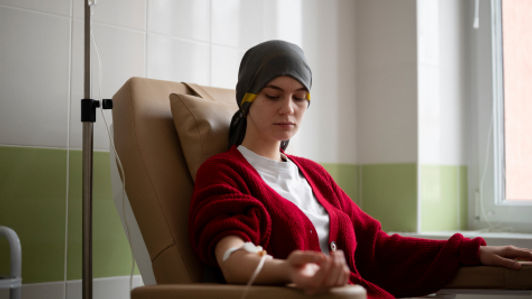
Improve quality of life during active treatment
Reduce and manage side effects of chemo and radiation
Support your body in tolerating larger therapeutic doses
Enhance the effectiveness of conventional therapies
Restore strength, energy, and immune function
Extend remission periods and reduce recurrence risk
Address hormonal, sleep, and emotional aftereffects
Create a sustainable long-term wellness protocol
LONG-TERM SUPPORT
Care That Continues After Conventional Treatment Ends
When chemotherapy, radiation, or surgery is complete, the work of rebuilding your body begins. Many people feel depleted, fatigued, and changed in ways their oncologist isn't equipped to address. We're here for that chapter too — with a comprehensive aftercare program designed to help you recover fully and live well.

Fatigue & Recovery
Targeted nutritional IV therapy, adaptogenic botanicals, and mitochondrial support to restore energy and physical stamina after treatment has depleted your reserves.

Recurrence Prevention
Ongoing metabolic monitoring, therapeutic diet protocols, and immune-strengthening therapies designed to reduce the biological conditions that allow cancer to grow.

Emotional & Hormonal Healing
Naturopathic support for hormonal disruption, mood changes, sleep dysfunction, and the emotional and psychological aftermath that often follows a cancer journey.